हमारी कहानी · Our Story
The grandfather, the father, the field.
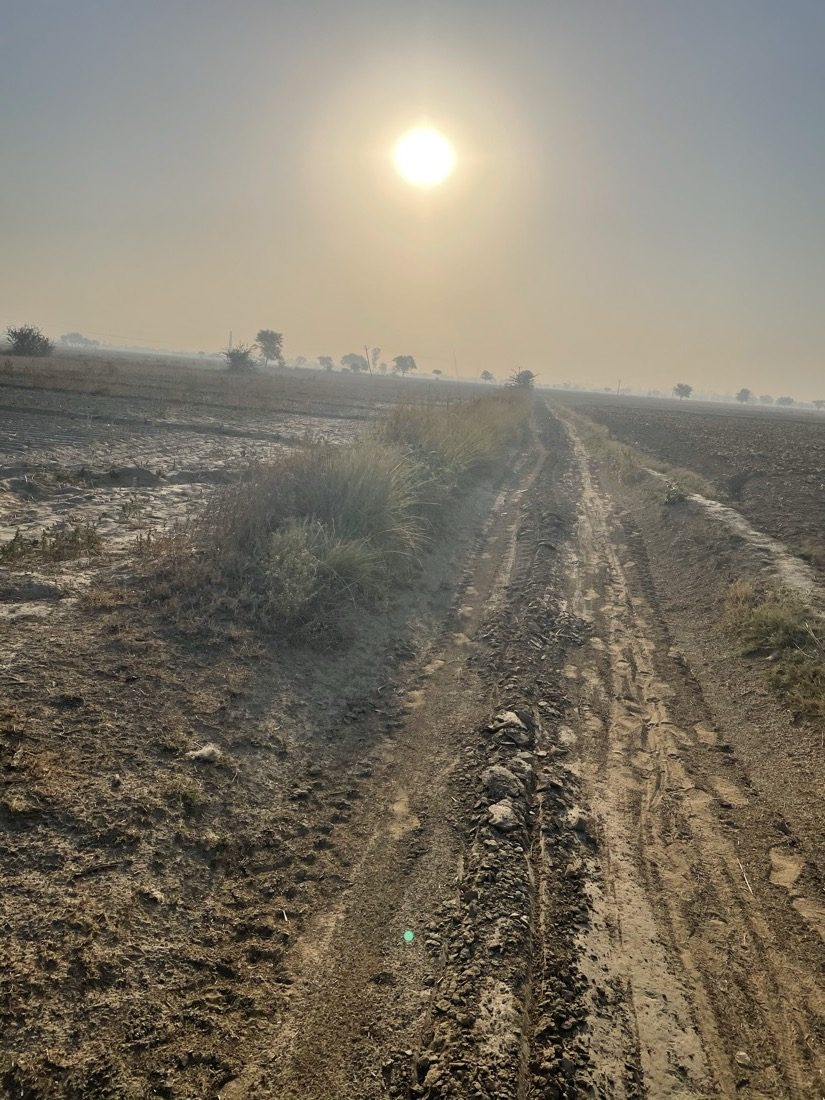
A memorial. A working farm. One small village on the alluvial plain south of Delhi, three generations of one family on the same soil.
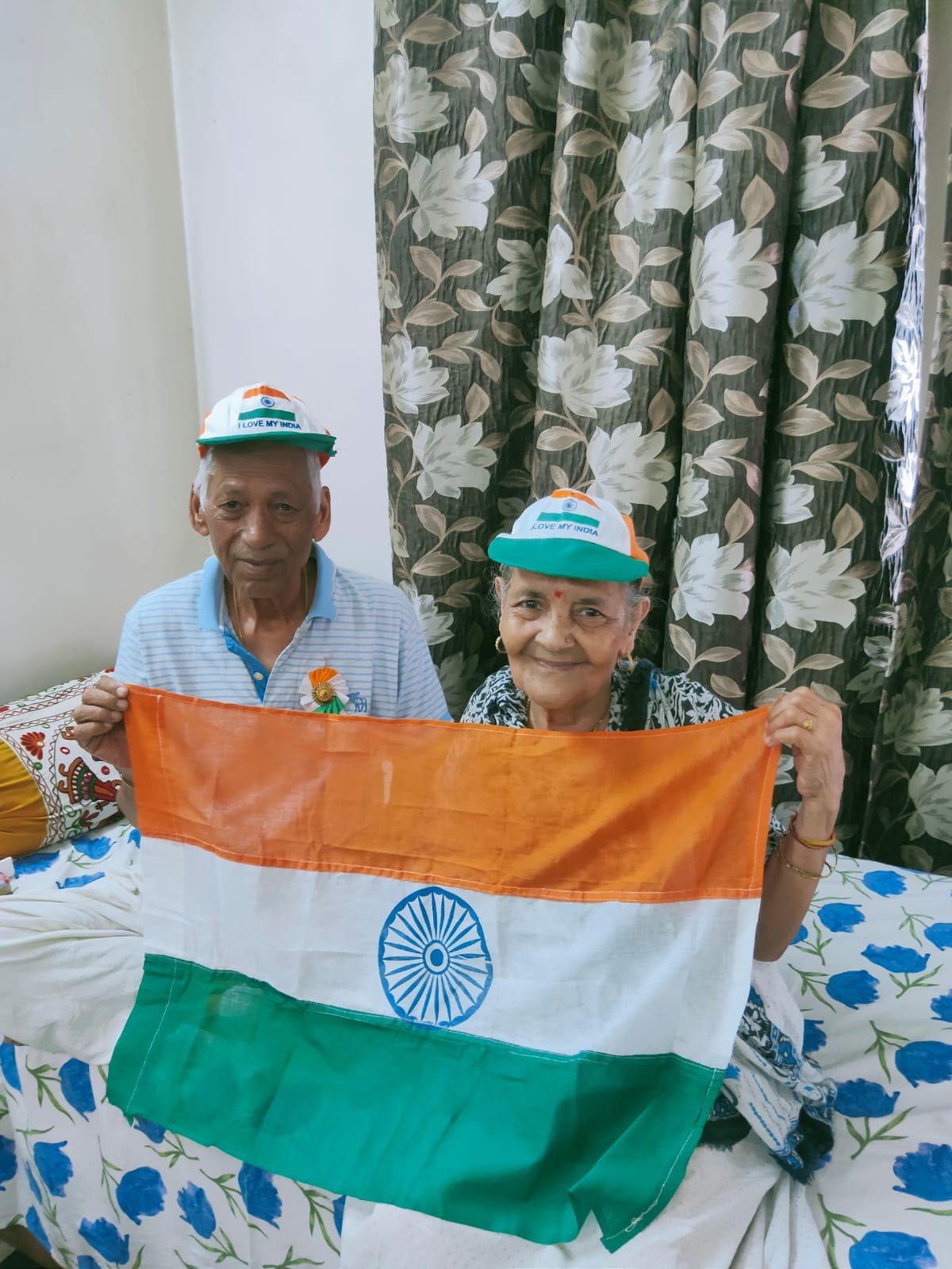
गणतंत्र दिवस, घर पर, Republic Day at home
Part one · The Grandfather
ठाकुर हजारी सिंह कंवरThe engineer who never left the land.
Hajari Singh Kanwar was born in Hudithal on 11 August 1942, son of Shri Girver Singh. In the late 1950s he left the village for Patiala to study civil engineering at the Thapar Institute of Engineering & Technology, one of India's oldest engineering institutions, founded in 1956.
He graduated in the early 1960s and joined the Government of Punjab as a civil engineer. When Haryana was carved out of Punjab on 1 November 1966, he moved with the new state. He stayed in Haryana government service for the next thirty-four years, retiring as Sub-Divisional Engineer (Civil) at the Haryana Civil Secretariat in Chandigarh on 31 August 2000, thirty-seven years of public service in all.
Across that long career, the project Hudithal remembers most is the piped drinking-water supply he helped bring to the village in his early years, an act of quiet public service that changed daily life for every household. The fields he had played in as a boy now had clean water to drink alongside.
Alongside him, our grandmother Gulshan Devi, who shared the long Chandigarh postings, the Faridabad years, and the regular returns to Hudithal, held the family together. We still go to her for the stories the documents don't carry.
He did not give up the land. He passed it, along with his discipline, to his son.
Part two · The Father
अजय कंवरThe son who kept the land.
Hajari Singh's son, our father Ajay Kanwar, has run the family farm in Hudithal for over three decades, alongside our mother Alka Kanwar. Father has spent his life close to the soil: choosing seeds carefully, watching the monsoon, harvesting wheat in the cool of April mornings, and treating each season as a partnership with the land.
Where Hajari Singh's discipline was engineering, Father's is patience. He chose not to leave. He chose to keep growing things on the same soil that his father, and his grandfather, grew things on. That choice, made one year at a time for thirty-odd years, is the reason the farm exists today.
This page exists because of him. The crop ripening in the field exists because of him. The fact that you can taste it in your kitchen this season exists because of him.
Portrait of Ajay Kanwar
— coming soon
Part three · The Grandsons
अभय & आकाश कंवरA small way to honor them.
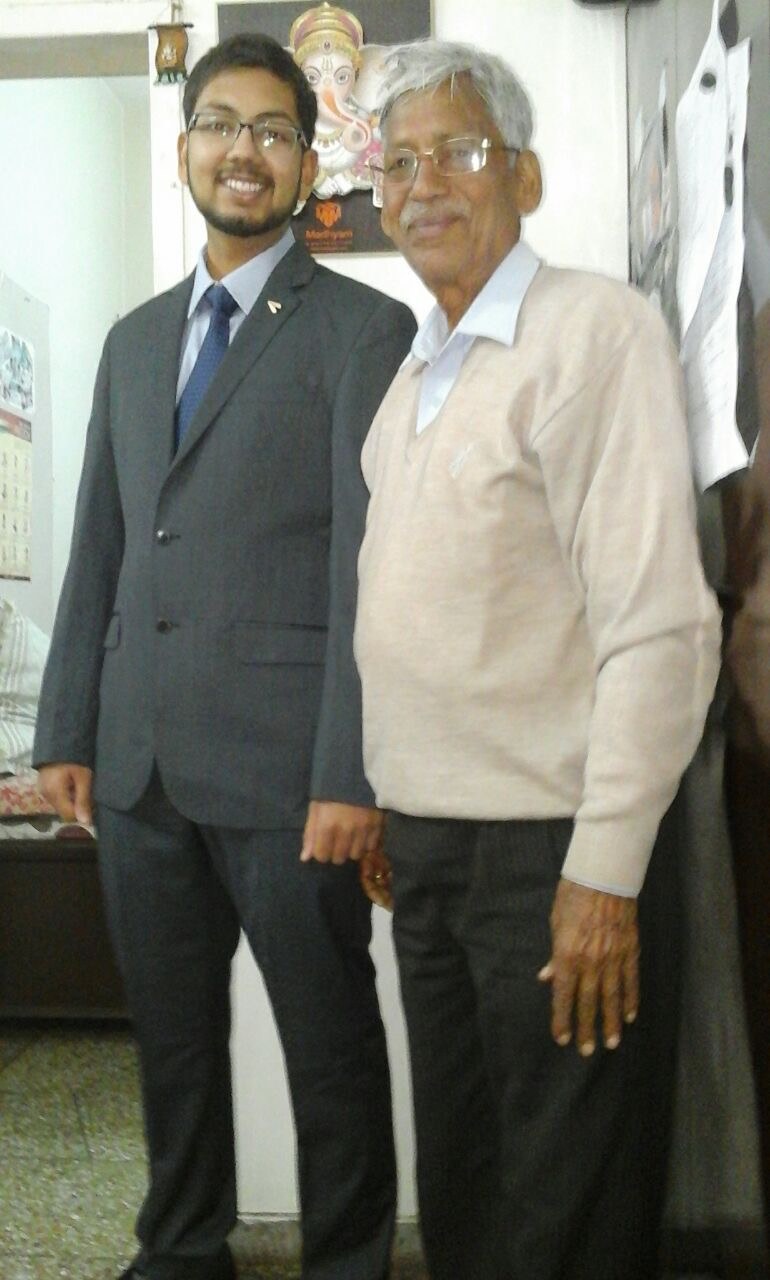
We are Abhay Kanwar and Aaksh Kanwar, Hajari Singh's grandsons and Ajay Kanwar's sons. We grew up roaming these fields with our grandfather.
Neither of us runs the farm. Our father does that, alongside our mother and the family hands, and he does it better than we ever could. What we can do is build this small page, so that anyone who searches our grandfather's name or stops by Hudithal can read what he built, see what our father has kept, and, if they want, taste a kilo of what is growing on the same soil this year.
The black wheat is the visible part. The legacy is the rest.
In our own words
Taglines we live by.
- हजारी जी की विरासत। In Hajari Ji's legacy.
- एक खेत। तीन पीढ़ियाँ। One field. Three generations.
- पिता का काम। दादा का नाम। Father's work. Grandfather's name.
- हमारी मिट्टी, आपकी रसोई। Our soil. Your kitchen.
- पलवल के खेतों से, सीधे आपके घर। From the fields of Palwal, direct to your home.
Where Hudithal is
A village at the Braj-Mewat border.
Hudithal is a revenue village in Hathin Tehsil, Palwal district, Haryana, pincode 121103. The family compound, called NOHRA, sits at the centre of the village near the Post Office. About 80 km south of Delhi on NH-19; 60 km from south Delhi's edge; roughly 20 km from Palwal town. The local language is Hindi, with Mewati spoken in Hathin tehsil specifically, and Braj influence from across the Yamuna.
The soil here is alluvial loam, the Indo-Gangetic plain between the Yamuna and the Aravalli. The cropping pattern has been wheat and mustard in the cool months, paddy and bajra in the monsoon, for as long as anyone can remember.